
Lawns
A lawn should be a living thing. Too many lawns are dependent on synthetic fertilizer and can’t survive without their annual multi-step program. But it doesn’t have to be this way. The right soil changes everything. The lawn needs many things to survive, thrive and grow deep and lush. It needs nitrogen, phosphorus and potassium that a well made compost can provide. It also needs worms, bacteria and beneficial insects to be working in harmony to shuttle the nutrients down to the roots, retain those nutrients once they’re there, and create networks of dense filaments that retain water, suppress disease and create resilience.
Hydroseeding
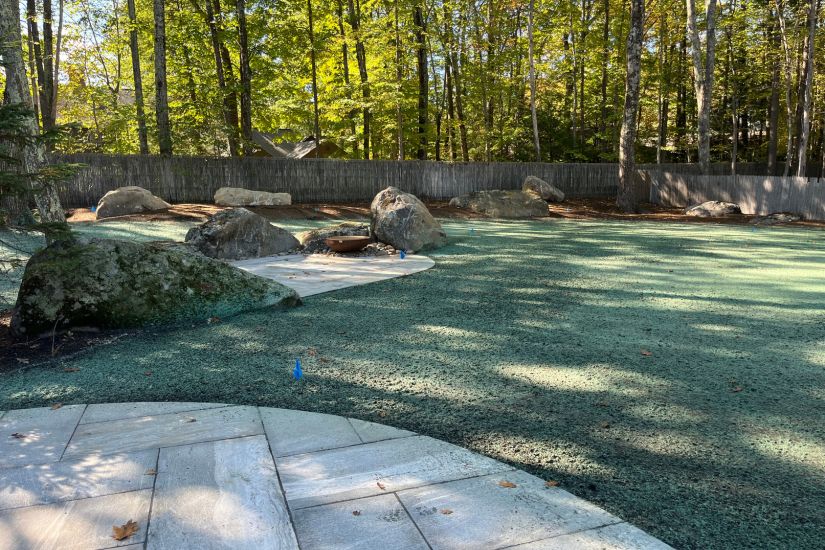
Ideal for new lawns planted in late spring or early fall, hydroseeding takes a mix of water, cellulose (wood fiber and paper), starter fertilizer and grass seed and uses a blower to spread it evenly over the surface of your lawn base. A typical grass seed mix for a combination sun/shade lawn is bluegrass, fescue and rye. We can also do a conservation mix or recommend a different ratio of seeds depending on your sun/shade conditions.

Terraseeding
The best way to grow a lawn, either newly seeded or to rejuvenate a struggling lawn. First we build the soil structure and add organic material, a custom blend of our own soils to fit your property. If the existing soil is compacted, we aerate to create channels and further loosen the base. We can also add biochar to the deeper levels where it can be most effective. Then we sow your chosen seed with compost. This way the seed gets full contact with the soil and the compost acts as a tea, slowly feeding the seed each time it’s watered.

Fertilizing
Many people are looking to get a fully organic lawn with no chemical fertilizer dependence. If your lawn is currently on a fertilizer schedule, we can regenerate the beneficial microbes and fungi that have been killed off and provide a new living topsoil for them. Synthetic fertilizers kill these with their high concentrations of minerals that are unsustainable to life. A living lawn brings back worms, beneficial insects and bacteria, hyphae and all the parts of the forest floor that have been lost. As air and water pathways return, these creatures feed the lawn and end the need for fertilizer programs. To achieve a living lawn, we cut the lawn extra short and start with a topdressing of compost and biochar to act as a “lift,” deepening the root system. The next year another topdressing is added as the lawn chases the lift and re-establishes itself. For some lawns two years is enough, and for some it needs a third application.

New Construction
On a newly constructed property, unfortunately the base material below the loam is likely compacted, bony (full of stones and sand), and generally hostile to plant growth and long-term health. A lawn trying to grow on 2-3” of loam covering feet of compressed and hardened base material (from being driven over by machines during construction) will need heavy water and fertilizer doses on a near-constant basis to appear healthy. Instead, providing a loose, nutrient-capable base and compost-rich growing surface of 6” allows the lawn to create its best possible root depth and live without water and fertilizer dependence.
We like to talk dirt.
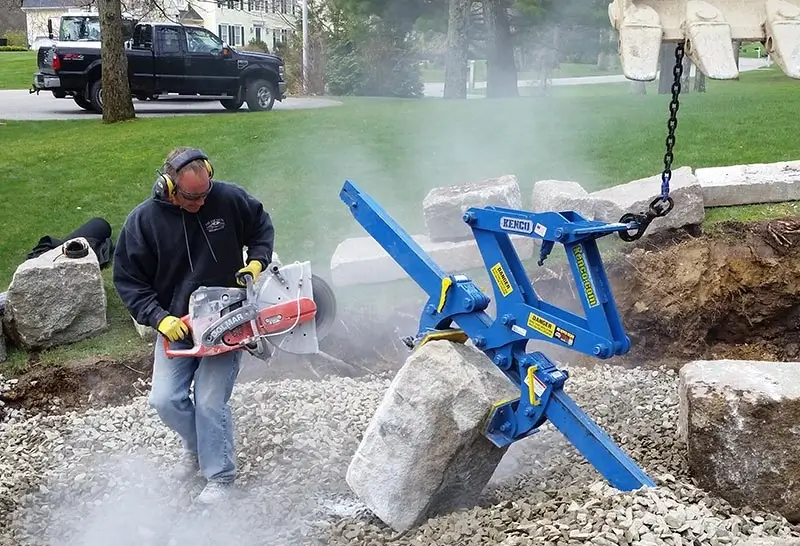
Troy is a Seacoast area native and has been in business since 1993. He enjoys taking waste and turning it into something that can be re-used. Seeing the final product and hearing how much the customer loves it is his pride and joy.
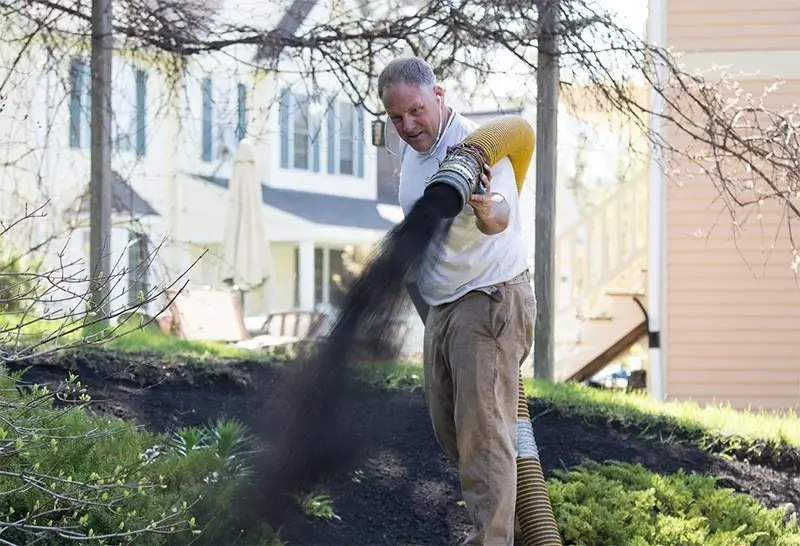
Todd is Troy’s brother. He brings infectious positive energy to every job site. Customers love his dedication to results and his passion for the products he makes. His mantra is “leaf mulch fixes everything.”